Founded in Chicago in 1932 by Raymond Moloney, the Bally Manufacturing Corporation began with a single massive hit: Ballyhoo. This countertop, coin-operated pinball-style game was so instantly successful that it gave the company its permanent name. For decades, Bally served as a foundational pillar of the amusement industry, churning out pioneering electro-mechanical pinball machines, jukeboxes, and slot machines throughout the 1940s and 1950s.
As the arcade landscape evolved in the 1970s and early 1980s, Bally cemented its legacy as an absolute powerhouse in the early solid-state pinball era. Competing fiercely against Williams and Gottlieb, Bally’s board systems powered some of the most iconic and successful machines of a generation. To expand their footprint, they also purchased Midway Manufacturing in 1969, leading to the highly lucrative North American distribution of arcade video game juggernauts like Pac-Man and the development of Ms. Pac-Man.
Despite dominating the early 80s, financial difficulties and a shifting corporate focus toward casino gaming led Bally to sell its pinball and arcade division to its biggest rival, Williams Electronics, in 1988.
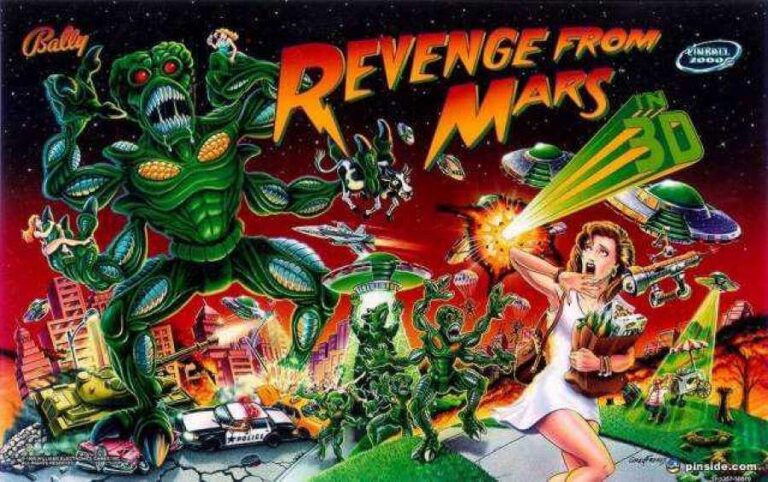
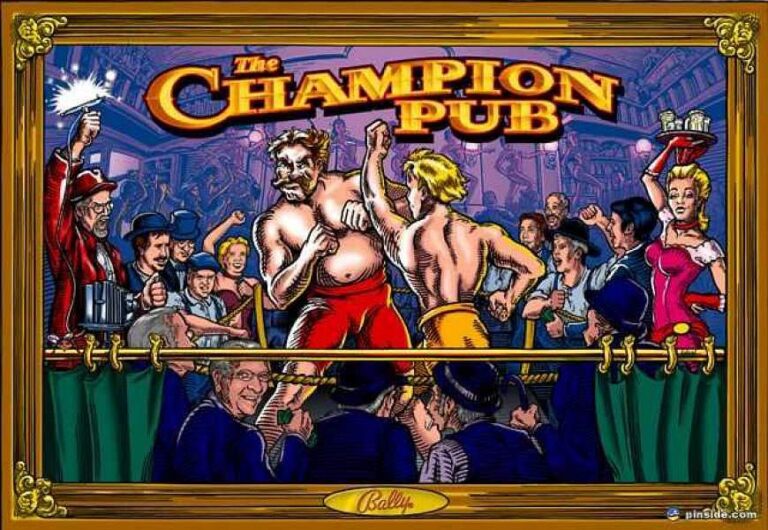
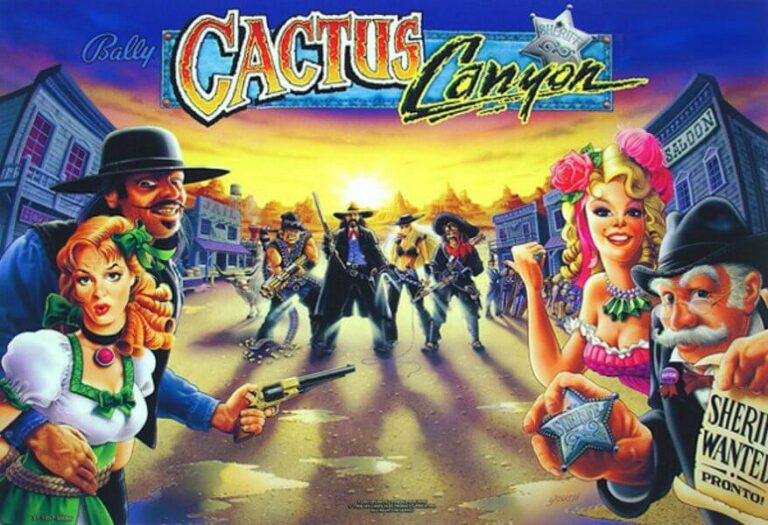
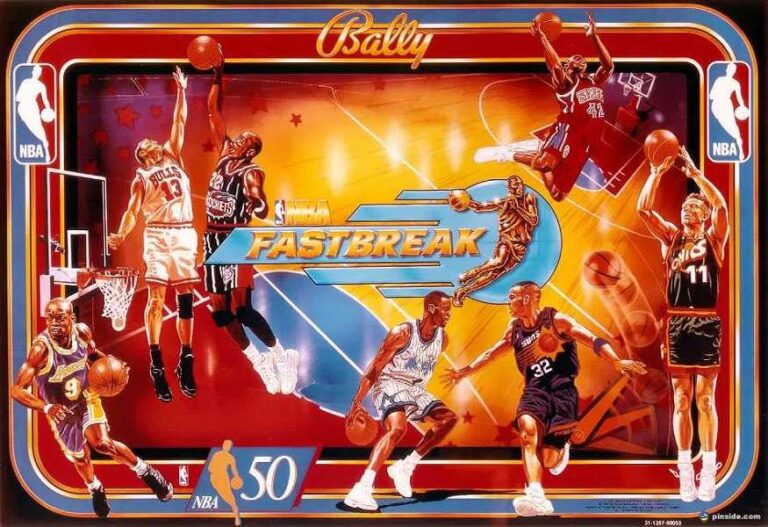
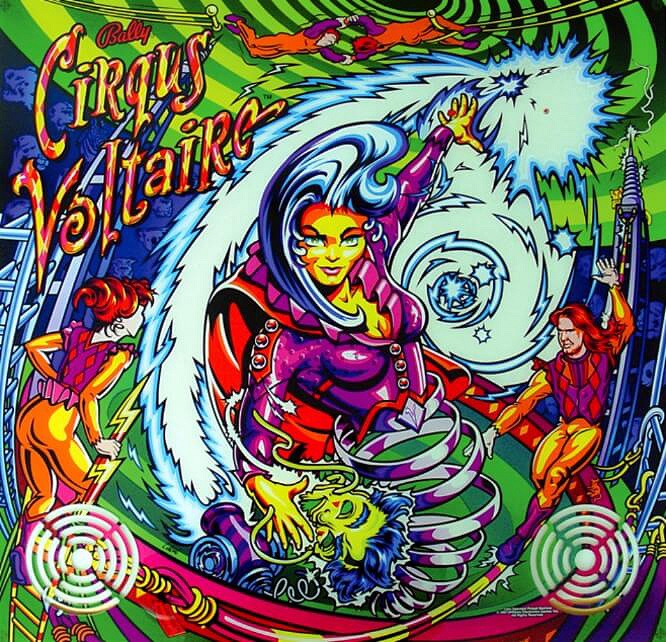
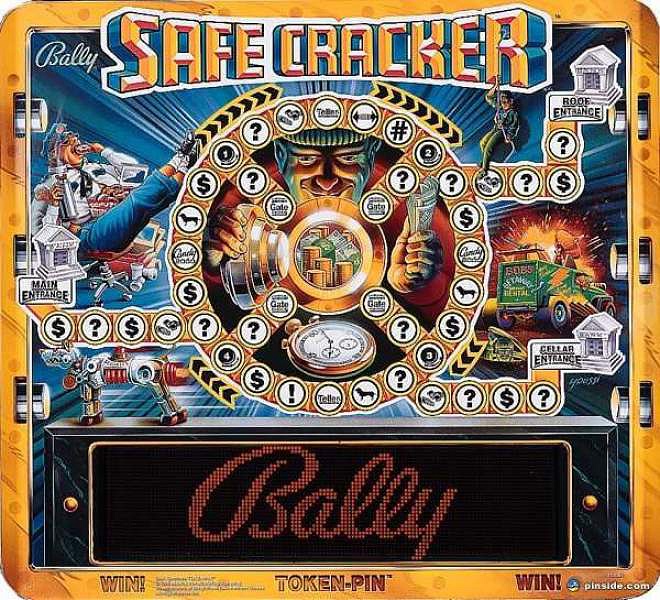
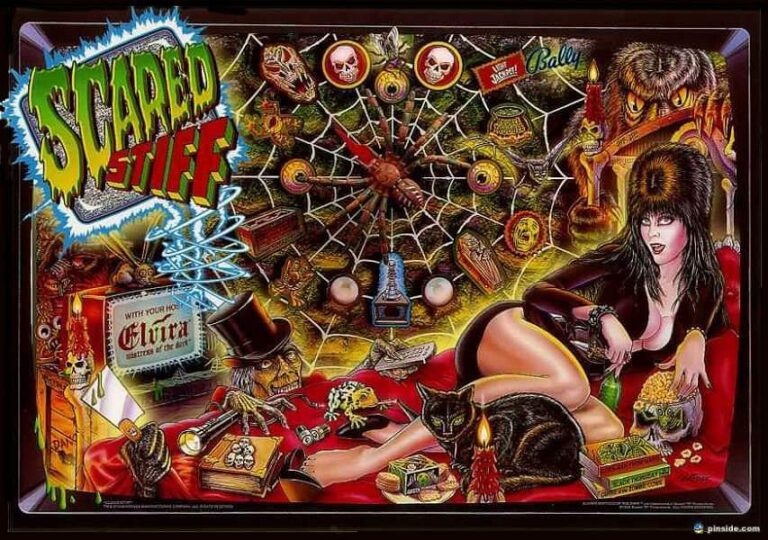
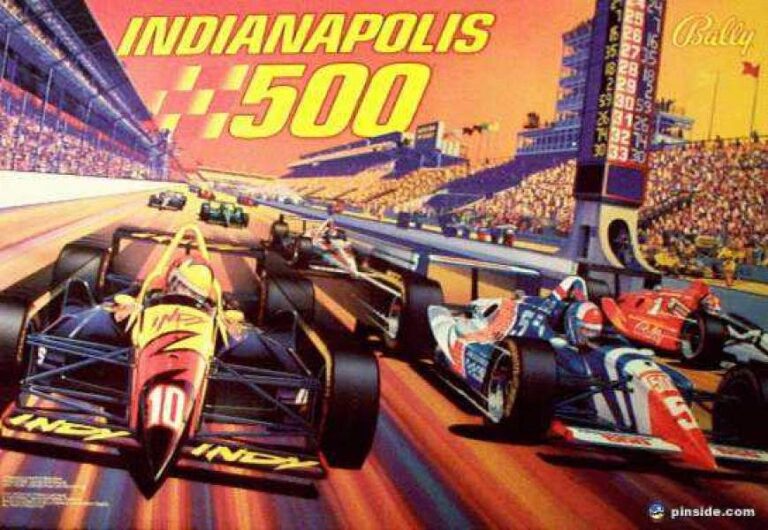
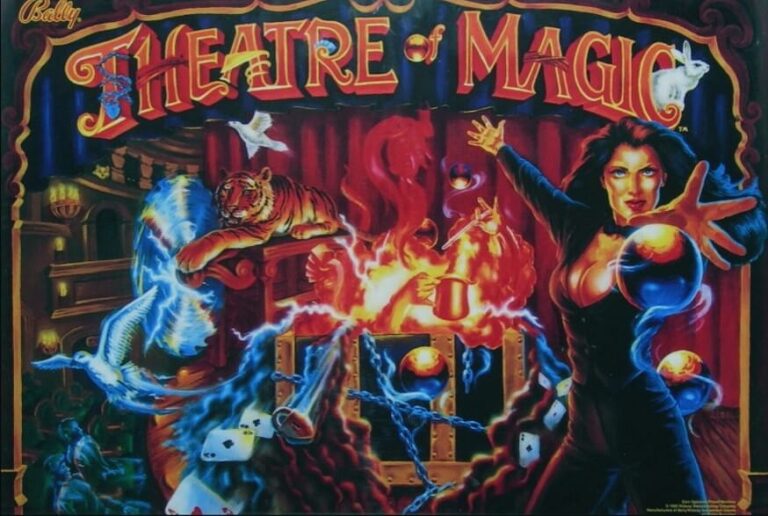
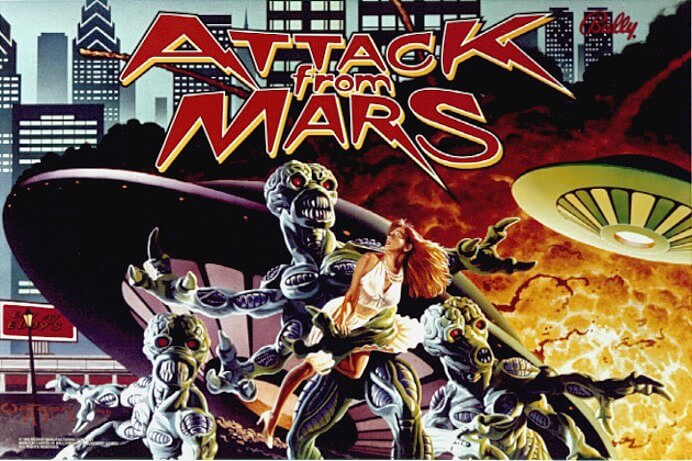
Rather than retiring the brand, Williams continued to release machines under the Bally name. Operating under the combined “Bally/Williams” banner and utilizing the legendary Williams WPC (Williams Pinball Controller) board system, the Bally label was placed on some of the most advanced machines of the 1990s. This included the monumental release of The Addams Family (1992), which remains the best-selling modern pinball machine of all time.
Although Williams officially ceased all pinball production in 1999—bringing the Bally pinball era to a close—the brand’s legacy remains immortalized in tournament halls and private collections worldwide.