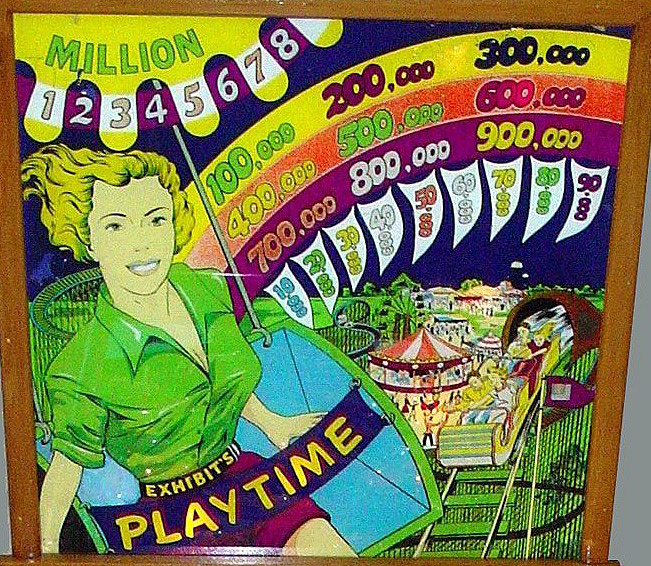
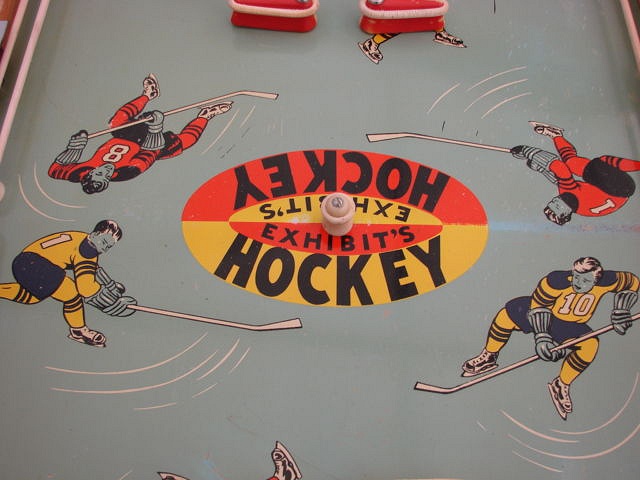
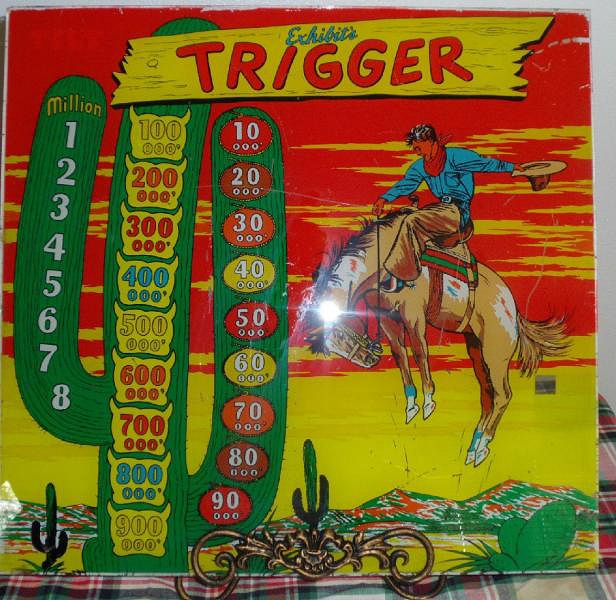
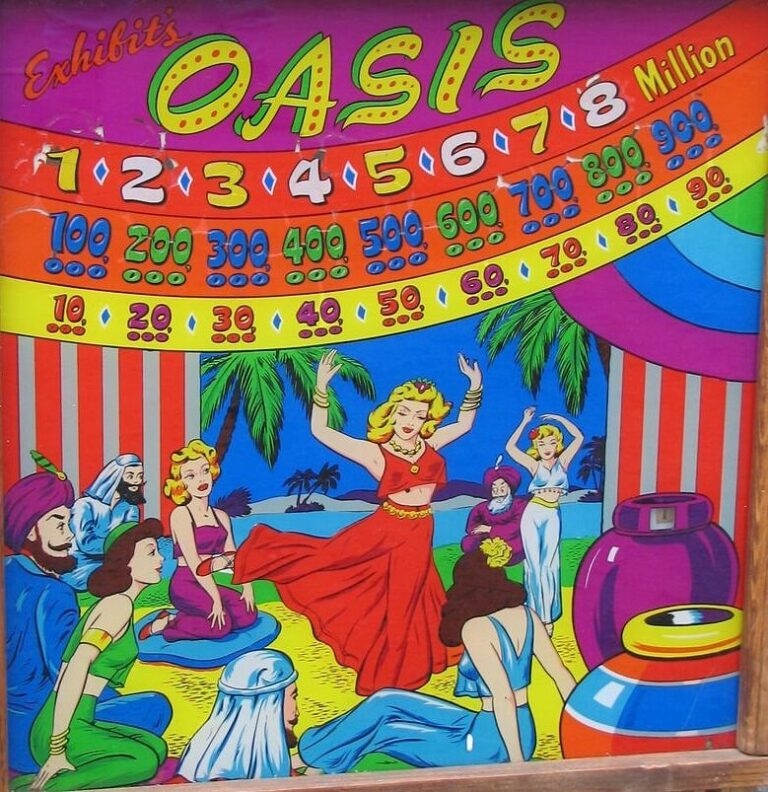
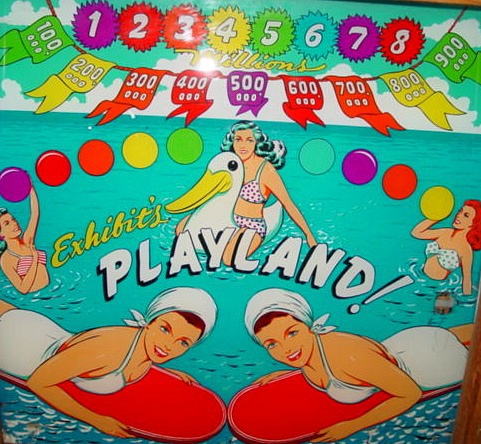
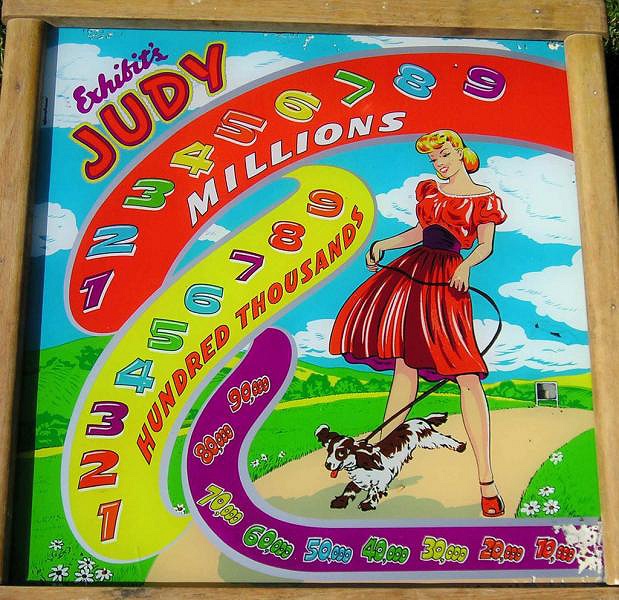
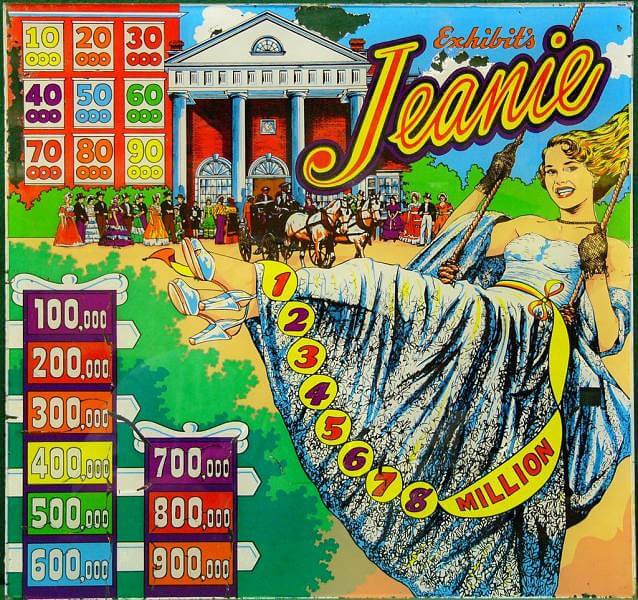
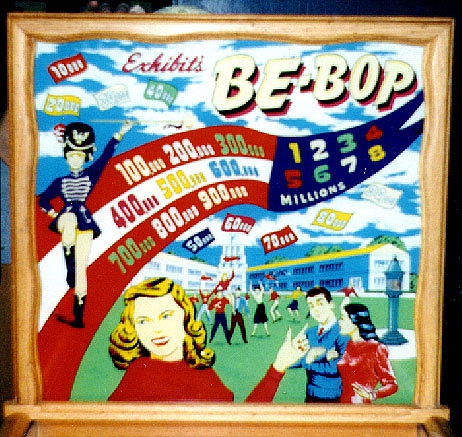
Long before the solid-state revolution or even the invention of the flipper, the arcade industry was forged in the early 20th century by the Exhibit Supply Company (ESCO). Founded in Chicago in 1901 by J. Frank Meyer, ESCO was the original titan of the amusement world. While they are famous among general antique collectors for their arcade digger cranes, fortune-telling machines (like the legendary Zoltan), and collectible arcade cards, their impact on the physical structure of the pinball machine is absolutely monumental.
In the early 1930s, pinball was a purely mechanical, countertop affair. Operators had to physically place games like Gottlieb’s Baffle Ball on top of tavern bars and pharmacy counters, severely limiting where the games could be installed.
Exhibit Supply Company completely changed the trajectory of the amusement industry in 1932 with the release of their pinball machine, Play Boy. Recognizing that operators needed to put games in open floor spaces, ESCO became the very first manufacturer to include wooden legs as a standard manufacturing feature. By taking the game off the counter and making it a freestanding piece of furniture, ESCO birthed the modern pinball cabinet.
As the 1930s progressed, ESCO remained at the bleeding edge of early electro-mechanical (EM) innovation. They were one of the first companies to experiment with printed playfields, printed glass, and double-coin chutes.
More importantly for tournament historians, ESCO served as the crucial proving ground for the greatest mind in early pinball. Before he left to found his own massive empire, a young engineer named Harry Williams worked for Exhibit Supply Company. During his tenure, Williams designed several groundbreaking EM games for ESCO, pioneering the use of electrical kicks and early bumper mechanics that would eventually define the golden age of the silver ball.
Throughout the 1940s, ESCO continued to produce popular flipperless and early flipper games. However, as the 1950s dawned, the pinball landscape became incredibly fiercely contested. Unable to keep pace with the hyper-focused pinball manufacturing floors of their former employee (Williams), alongside heavyweights like Gottlieb and Bally, ESCO’s pinball production slowed to a crawl.
The company largely exited the pinball market in the early 1950s to focus on their arcade cards and mechanical novelties. While the Exhibit Supply Company name is a rare sight for modern tournament players, their legacy physically holds up every single machine on the arcade floor today.