
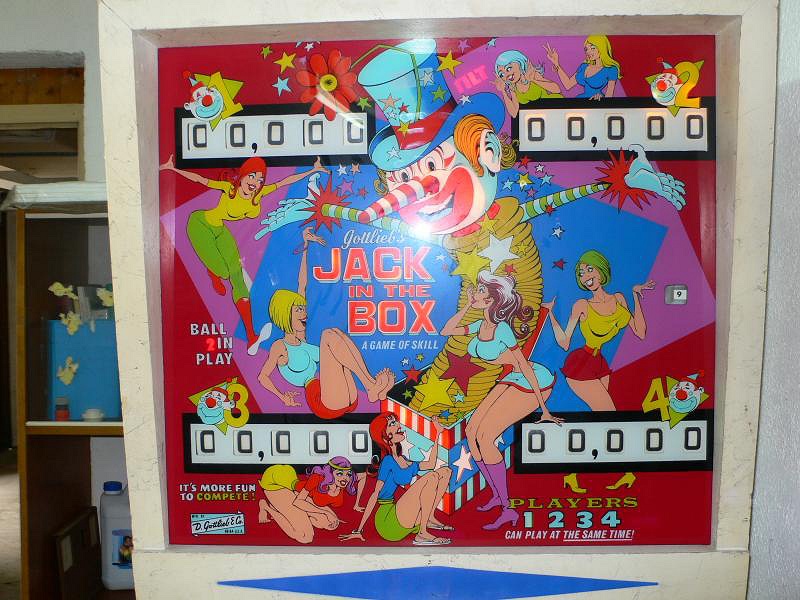
Jack In The Box, the 1973 classic from Gottlieb, remains one of the most iconic examples of Ed Krynski’s design mastery. With Gordon Morison’s vibrant carnival-themed artwork, this four-player electro-mechanical machine centers around a massive 10-bank of drop targets that demands precision and nerves of steel. Unlike many of its contemporaries, the layout features four flippers and a pair of kick-out holes that serve as the primary strategic focal points, tasking the player with navigating a chaotic playfield to maximize scoring potential before the final ball drains.
Success on this table is entirely dependent on mastering the opening plunge and the subsequent drop target progression. You want to aim for the lit saucer immediately; securing that shot early multiplies your drop target values from a measly 100 to a much more respectable 1,000 points. If your plunge misses the mark, prioritize lighting that saucer before engaging the bank. Once you’ve built up your multiplier, the goal shifts to surviving the 10-bank onslaught. Don’t be fooled by the pop bumper placement—while they look dangerous, they are often your best allies for keeping the ball in play, provided you use aggressive nudging to keep the momentum in your favor.
When the game nears its conclusion, the scoring landscape shifts, with targets offering 500 points apiece, or a massive 5,000-point reward if you’ve managed to collect the lit saucer bonus. If the ball finds itself drifting toward the pop bumpers, keep your flippers raised to guard against the dreaded center-drain feed. It is a game of rhythm and risk management, where the 10x bonus is the ultimate prize. Whether you are hunting for the top-tier scores or just trying to keep the circus act going for all four players, Jack In The Box rewards those who can balance tactical shooting with defensive flipper control.