
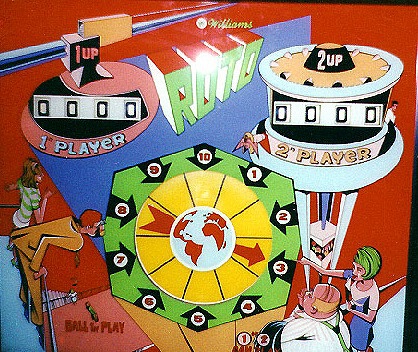
Roto, a 1960s classic from Williams, stands as a quintessential example of Norm Clark’s design philosophy, blending the straightforward, high-tension gameplay of the electro-mechanical era with a distinct aesthetic flair. Featuring iconic, stylized artwork by Christian Marche, the machine is a masterclass in economy, utilizing a compact playfield layout that forces players to navigate five pop bumpers and a strategic kick-out hole. It is a true “add-a-ball” title, a genre that flourished in regions where traditional replays were restricted, shifting the focus from free games to the pure, addictive pursuit of extending one’s current turn through precision shooting.
The mechanical heart of the game revolves around its clever use of four mini-posts and a specialized left drop lane equipped with a detour gate, which serves as a constant temptation for players looking to keep the ball in play. Unlike modern machines that rely on deep rule sets, Roto demands a rhythmic, tactile approach; the four standup targets are positioned to punish hesitant play while rewarding those who can master the bounce and flow of the two flippers. It is a fast-paced, two-player challenge that captures the charm of mid-century arcade culture, demanding both patience and a steady hand to navigate its bumpers and keep the ball from slipping through the outlanes.