
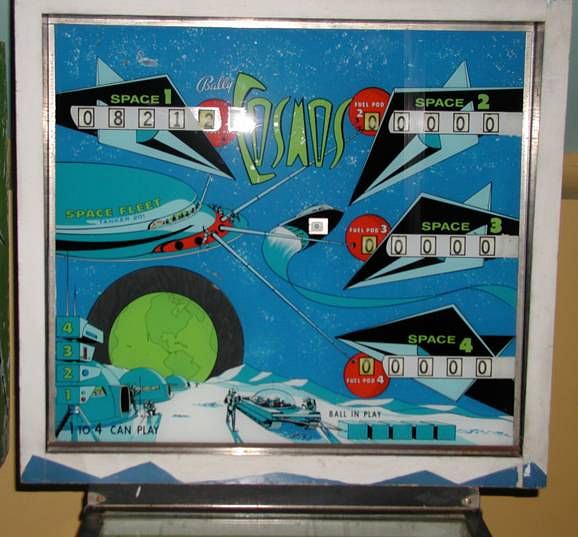
Cosmos, a 1969 release from Bally, stands as a quintessential example of Ted Zale’s design ingenuity during the golden age of electromechanical machines. Featuring vibrant outer space-themed artwork by Jerry Kelley, the machine centers on a frantic, high-scoring playfield populated by a dense array of six mushroom bumpers and three pop bumpers. Its most iconic mechanical flourish is the implementation of “zipper flippers,” which physically retract toward each other to eliminate the center drain, transforming the game’s geometry and drastically altering the player’s defensive posture during high-tension sequences.
The gameplay experience is defined by its mechanical backbox animation and a distinct “Blast Off” objective that rewards precision timing. Players looking to maximize their score should prioritize the left orbit for steady point gains, but the real mastery lies in manipulating the zipper flippers. By striking the red bumper to trigger the flipper mechanism, a savvy player can trap the ball between the converged bats; from this position, a rhythmic tap-and-flip maneuver near the tip of the flipper is the key to executing the game’s high-value “Blast Off” shot.
Rounding out the table’s unique layout are tactical features like the right drop lane and a ball return gate in the outlane, which provide crucial opportunities for ball saves and extended play. With a total production run of just over 2,000 units, Cosmos remains a sought-after piece for collectors who appreciate Zale’s ability to pack intense, fast-paced action into a classic four-player EM package. It is a deceptively simple-looking cosmic journey that demands both finesse and a deep understanding of its unique mechanical rhythm.