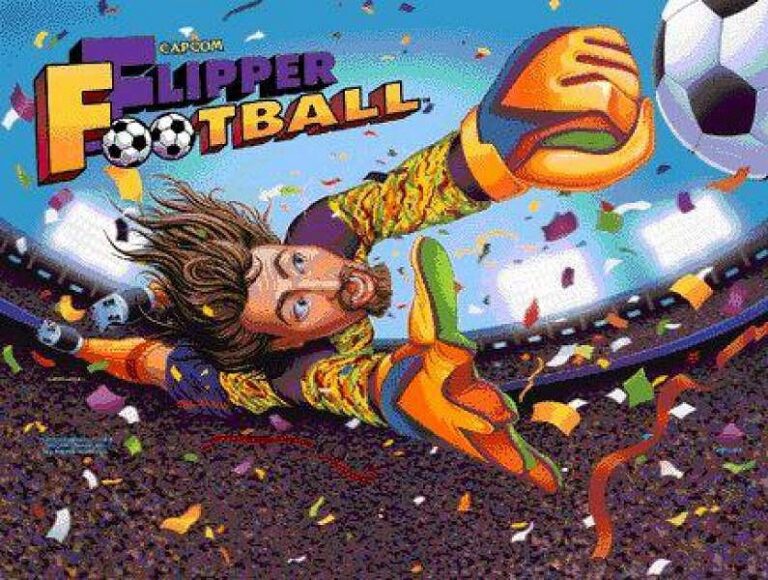
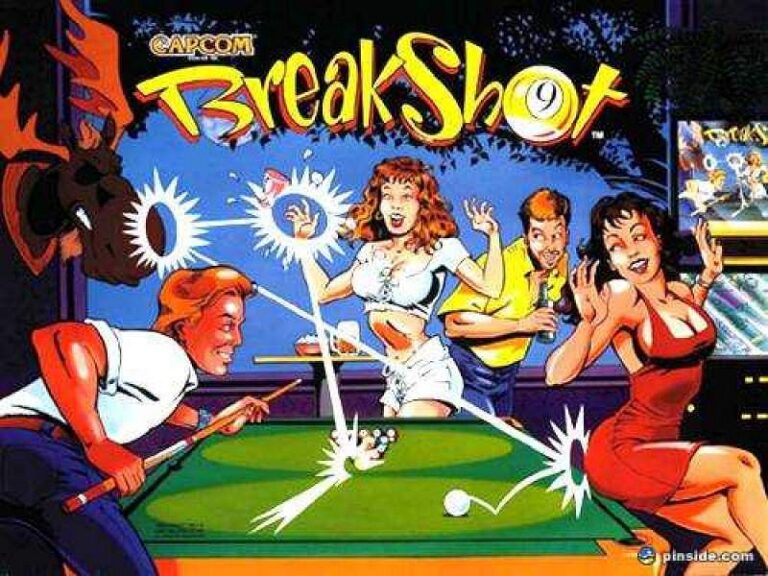
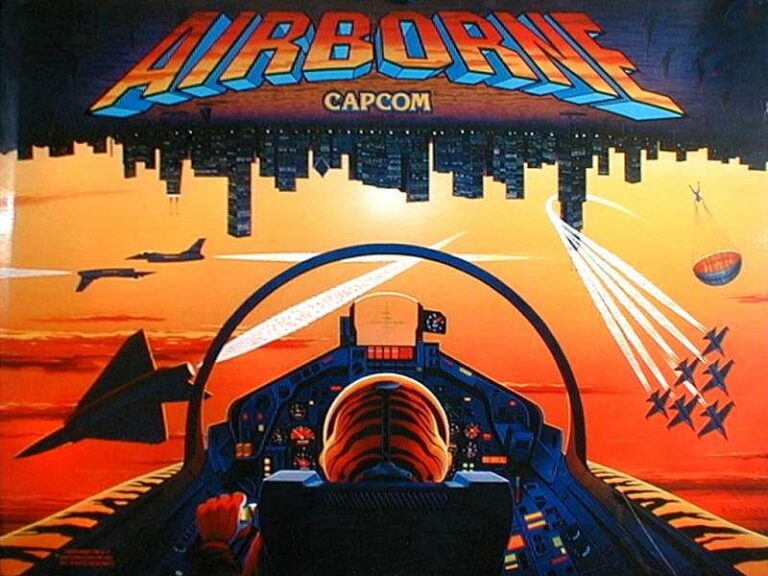
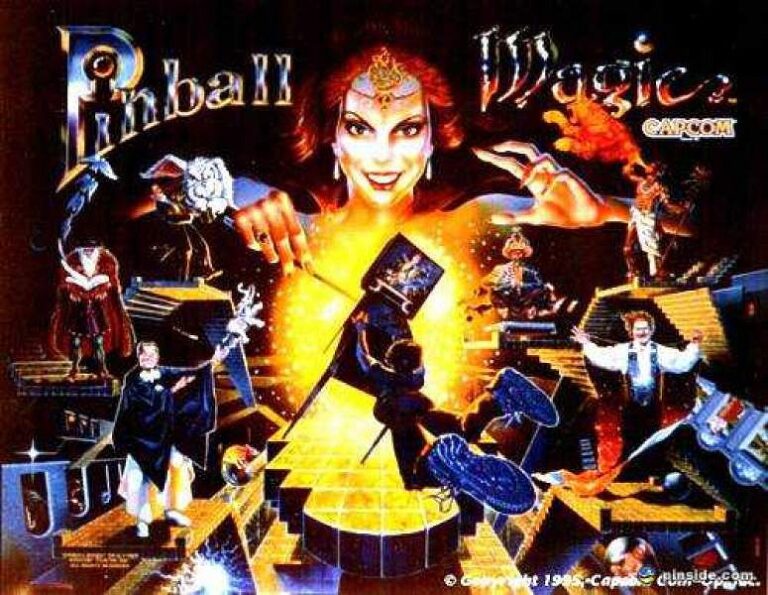
In the mid-1990s, at the absolute peak of the DMD (Dot Matrix Display) era, Japanese video game giant Capcom (famous for Street Fighter and Mega Man) decided they wanted a piece of the American pinball market. Setting up their Capcom Coin-Op pinball division right in the backyard of Williams and Bally in Arlington Heights, Illinois, they aggressively poached a dream team of veteran designers, including Dennis Nordman, Python Anghelo, and Claude Fernandez.
Capcom didn’t just want to compete; they wanted to build a technologically superior machine. Powered by a lightning-fast 32-bit Motorola processor, Capcom’s solid-state board architecture was arguably the most reliable system of the decade.
For the competitive tournament player, Capcom’s greatest physical innovation was beneath the playfield: they utilized aircraft-grade aluminum flipper mechanisms. Unlike the standard stamped-steel mechs used by their rivals, Capcom’s flippers provided unparalleled precision and virtually eliminated flipper fade during long tournament games.
Despite producing technologically brilliant machines, Capcom entered the pinball market just as the global arcade bubble began to burst. Facing an industry-wide downturn and corporate restructuring, Capcom abruptly shuttered its pinball division in late 1996.
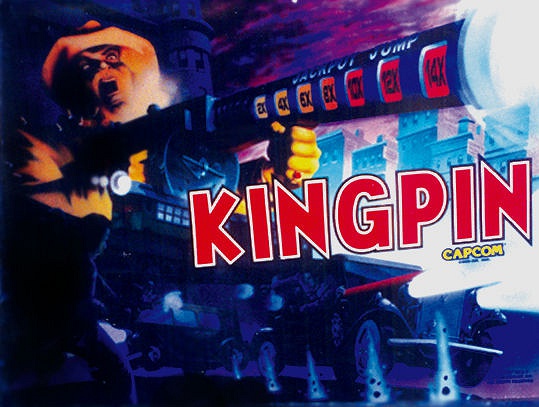
When the doors locked, two legendary machines were left stranded on the prototype line: the alien-nightclub-themed Big Bang Bar and the mafia-themed Kingpin. Capcom only produced a handful of prototypes for each (roughly 14 of Big Bang Bar and 9 of Kingpin). They immediately became the ultimate holy grails of pinball collecting. Recognizing the immense demand, Gene Cunningham of Illinois Pinball miraculously secured the rights and tooling to manufacture a limited reproduction run of exactly 191 Big Bang Bar machines in 2007, cementing Capcom’s brief but legendary status in pinball lore.